 Save
Save There's something about watching steam rise from a pot of simmering chicken and rice soup that makes the whole kitchen feel like a sanctuary. My neighbor knocked on the door one particularly bitter January afternoon, half-joking about the smell wafting through our shared hallway, and I realized then that this soup had become my default answer to nearly everything—a sick friend, unexpected guests, or just myself on a day when the world felt too sharp. The beauty of it is its honesty: no fussy techniques, just chicken, rice, and vegetables doing exactly what they're supposed to do.
I made this for my son's first night home from college, and he sat at the kitchen counter watching it bubble away like he was witnessing something profound. When I ladled it into bowls and he took that first spoonful, he closed his eyes, and I understood then that comfort food isn't really about the ingredients—it's about the moment it arrives when you need it most.
Ingredients
- Boneless, skinless chicken breasts (2 large, about 1 lb / 450 g): Buy them roughly the same thickness so they cook evenly; I learned this after fishing around for the overdone piece while the other sat stubbornly undercooked.
- Olive oil (2 tablespoons): This is your foundation for building flavor in the soffritto, so don't skimp with the cheap stuff.
- Yellow onion (1 large, diced): The sweetness balances everything; some people use white, but yellow onions caramelize faster and add a rounder flavor.
- Carrots (3, peeled and sliced): Leave the skin on if you're in a hurry—it adds nothing but texture, and nobody's judging you for it.
- Celery stalks (3, sliced): This is the quiet ingredient that makes people say 'what's in this?'—don't leave it out even though it seems boring.
- Garlic cloves (3, minced): Fresh is non-negotiable here; the dried stuff won't give you that aromatic wake-up call.
- Long-grain white rice (3/4 cup / 140 g, rinsed): Rinsing removes excess starch so the soup stays brothy instead of turning into risotto.
- Low-sodium chicken broth (8 cups / 2 liters): This is where the salt control lives in your hands; high-sodium broth can quickly turn salty, and you can't take it back.
- Dried thyme (1 teaspoon): Thyme whispers through everything without announcing itself; it's the diplomat of herbs.
- Dried rosemary (1/2 teaspoon): Half a teaspoon is enough—this herb has strong opinions, and too much tastes like you're eating a wreath.
- Bay leaves (2): These get fished out at the end, but they spend those 25 minutes perfuming the entire pot.
- Salt and black pepper (1 teaspoon salt and 1/2 teaspoon pepper, adjusted to taste): Taste as you go; your palate knows better than any recipe ever could.
- Fresh parsley (2 tablespoons, chopped): This goes in at the very end for brightness; it's the punctuation mark on the whole dish.
- Lemon juice (from 1/2 lemon, optional): A small squeeze lifts everything without making the soup taste lemony—it's about balance, not flavor domination.
Tired of Takeout? 🥡
Get 10 meals you can make faster than delivery arrives. Seriously.
One email. No spam. Unsubscribe anytime.
Instructions
- Build your foundation:
- Heat olive oil in your pot until it shimmers, then add the onion, carrots, and celery. You'll hear the sizzle immediately—that sound means the Maillard reaction is happening, which is just fancy talk for 'this is about to taste delicious.' Sauté until the vegetables soften and the onion turns translucent, about 5 to 6 minutes.
- Wake up the aromatics:
- Stir in the minced garlic, thyme, and rosemary. The kitchen will suddenly smell like a cozy cabin, and you'll wonder why you don't cook this every single day. Keep stirring for just 1 minute so the garlic softens but doesn't brown.
- Introduce the chicken:
- Add your chicken breasts directly into the pot along with the broth, bay leaves, salt, and pepper. Bring everything to a rolling boil—you'll see the surface break into bubbles, and the chicken will look pale and small floating there. That's exactly right.
- Coax out the tenderness:
- Pour in the rinsed rice, then lower the heat to a gentle simmer. Cover the pot and let time do the work for 20 to 25 minutes; the rice will absorb the broth while the chicken becomes impossibly tender. Resist the urge to peek constantly—I know it's tempting.
- Finish with shredded chicken:
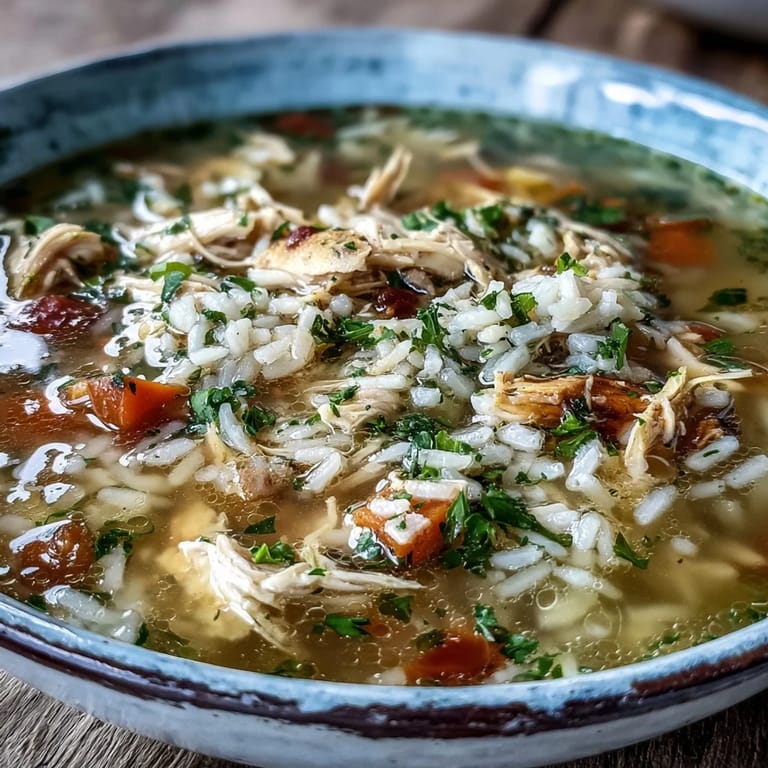
- Remove the chicken breasts from the pot and place them on a cutting board. Using two forks, pull the meat apart—it should shred easily if it's cooked through. Return the shredded chicken to the soup, fishing out those bay leaves before they get lost in a spoonful.
- The final touch:
- Stir in the fresh parsley and a squeeze of lemon juice if you're using it. Taste and adjust salt and pepper—this is your moment to make it exactly yours. Ladle into bowls and serve while it's steaming hot.
 Save
Save 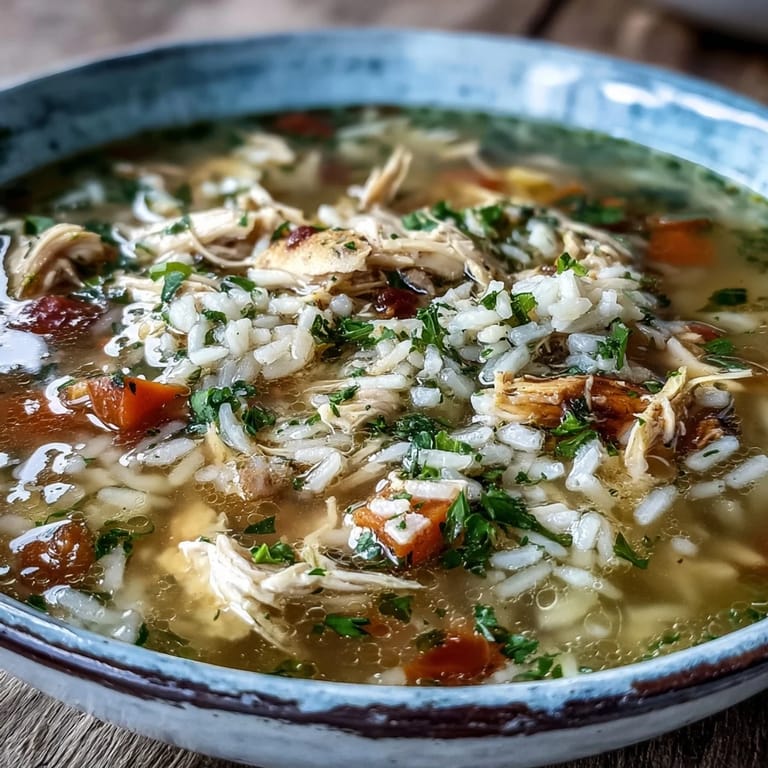 Save
Save I brought this soup to a friend's house the morning after she'd had surgery, and watching her take that first spoonful while still uncomfortable in her recliner—and then actually smile—reminded me that sometimes the most meaningful things we make aren't meant to impress anyone. They're just meant to say: I'm thinking of you, and I want you to feel better.
Why This Soup Never Disappoints
The secret is that everything cooks together at once, which means the rice soaks up chicken flavor instead of boiling away its personality in salted water. There's no dirty rice pot to scrub later, no perfectly seasoned broth that gets diluted by plain rice added at the end. Every grain knows exactly what it's supposed to taste like, and the soup never tastes watered down or boring. It's efficient in a way that feels less like rushing and more like respecting your own time.
Variations That Actually Make Sense
If you want deeper, more savory notes, swap the breasts for thighs—they have more fat and connective tissue, which means more flavor and a silkier mouthfeel. Brown rice works too, though it needs about 10 extra minutes and tends to stay a bit more chewy than fluffy; some people swear by it for the nutty taste and added fiber. A splash of heavy cream at the very end transforms the whole thing into something richer without making it feel unhealthy or excessive, and it's what I do when I'm cooking for someone who's had a particularly rough week.
Storing and Reheating Without Disappointment
This soup keeps beautifully in the refrigerator for up to four days and actually tastes better the next day once all the flavors have settled in together. When reheating, do it gently over medium heat and add a splash of water or broth if it's thickened too much—the rice will continue to absorb liquid even in storage. Freeze it in portions if you want future-you to have an automatic comfort meal waiting, though I usually eat it all before that thought even crosses my mind.
- Let it cool completely before refrigerating so condensation doesn't dilute the broth.
- If freezing, leave about an inch of headspace in your container since soup expands slightly.
- Reheat gently and taste before serving—refrigeration can mute flavors slightly, so you might need to adjust seasoning.
 Save
Save  Save
Save This soup has taught me that the best meals are often the simplest ones, made with intention and served to people who need them. It's not fancy, but it's never failed me.
Recipe FAQs
- → Can I use chicken thighs instead of breasts?
Yes, chicken thighs work beautifully and provide a deeper, richer flavor. Use boneless, skinless thighs and follow the same cooking process.
- → How do I store and reheat leftovers?
Store in an airtight container in the refrigerator for up to 4 days. Reheat gently on the stovetop, adding a splash of broth if needed as the rice absorbs liquid over time.
- → Can I substitute brown rice for white rice?
Absolutely. Brown rice adds fiber and a nutty flavor, but requires longer cooking time—about 40-45 minutes total. Check that the rice is tender before serving.
- → What can I add for extra creaminess?
Stir in a splash of heavy cream, half-and-half, or coconut milk at the end of cooking for a richer, creamier texture without altering the flavor profile significantly.
- → Is this soup freezer-friendly?
Yes, it freezes well for up to 3 months. Note that the rice may soften slightly upon reheating. Thaw overnight in the refrigerator and reheat on the stovetop.
- → What vegetables can I add or substitute?
Try adding peas, corn, green beans, or spinach in the last 5 minutes of cooking. You can also substitute parsnips for carrots or leeks for onions for flavor variation.