 Save
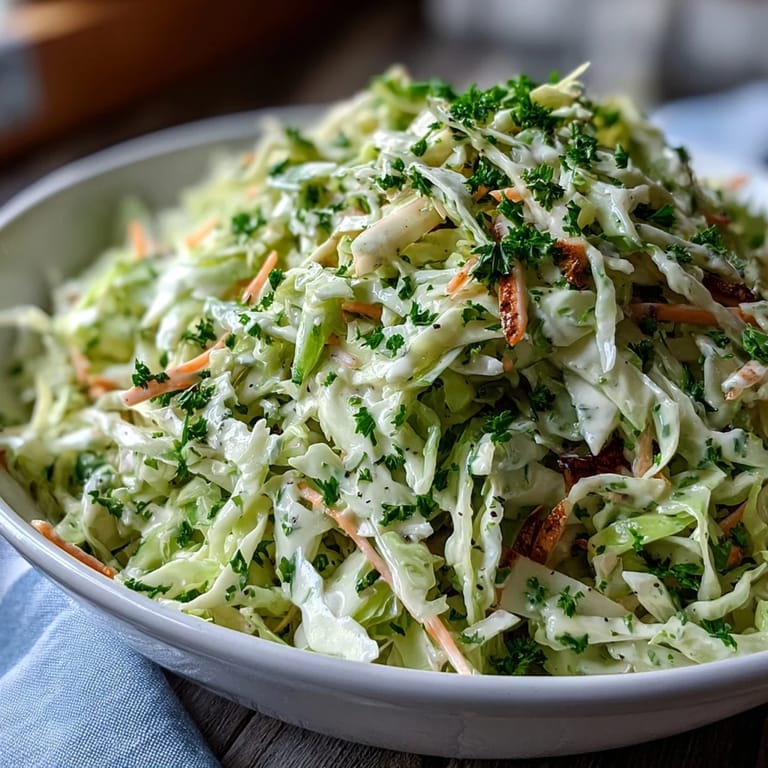
Save My neighbor handed me a jar of homemade apple cider vinegar one autumn morning, insisting I needed to use it on cabbage. I was skeptical until I tossed together whatever was in my crisper drawer and tasted that first forkful—the brightness hit different, like someone had bottled crisp air. That casual experiment became the slaw I now make almost weekly, especially when friends are coming over and I want something that feels effortless but tastes like I actually tried.
I made this for a neighborhood cookout last summer when someone canceled at the last minute and I had to feed eight hungry people with whatever I had. I shredded cabbage while standing at my counter in bare feet, listening to the neighbor's kids playing in sprinklers, and somehow this simple slaw became the dish people asked for the recipe to. It taught me that sometimes the most forgettable ingredients make the most memorable meals.
Ingredients
- Green cabbage, finely shredded: Look for heads that feel dense and heavy, not lightweight—that's where the crunch lives, and you want at least four loosely packed cups once it hits the cutting board.
- Tart apple: Granny Smith holds up beautifully without turning mealy, but I've used Pink Lady or even a sharp green apple in a pinch, always julienning them just before dressing to prevent browning.
- Carrot, peeled and grated: The natural sweetness here balances the vinegar's bite, and grating gives you finer, more delicate pieces than shredding.
- Green onions, thinly sliced: These add a whisper of onion flavor without overpowering, and slicing them thin means they distribute evenly rather than leaving chunks.
- Apple cider vinegar: This is non-negotiable—the apple undertone makes everything taste more cohesive and less aggressively acidic than regular vinegar.
- Mayonnaise: Use something you'd eat straight from the jar; cheap mayo tastes thin and chemical-forward once it hits the raw vegetables.
- Dijon mustard: It acts as an emulsifier, helping the dressing cling to every strand instead of pooling at the bottom.
- Honey: A touch of sweetness rounds out the sharpness, but don't use more than called for or the slaw tips into dessert territory.
- Extra-virgin olive oil: This adds richness and complexity, so don't skimp or substitute with generic vegetable oil.
- Salt and freshly ground black pepper: Taste as you go because the acid in the vinegar mutes flavor perception slightly.
- Fresh parsley: Optional but genuinely transformative—it adds a fresh herbal note that makes people wonder what your secret ingredient is.
- Poppy seeds: They add visual texture and a subtle nuttiness that echoes through the whole bowl.
Tired of Takeout? 🥡
Get 10 meals you can make faster than delivery arrives. Seriously.
One email. No spam. Unsubscribe anytime.
Instructions
- Prep your vegetables with intention:
- Shred the cabbage finely so it catches the dressing, slice your apple at the last possible second, and grate the carrot until it's almost lacy. You want everything the same approximate size so it feels balanced on the fork.
- Combine vegetables in a large bowl:
- Toss the cabbage, apple, carrot, and green onions together gently—you're not bruising the cabbage, just getting it acquainted. The bowl should look abundant and bright.
- Whisk your dressing until smooth:
- In a separate small bowl, whisk the vinegar, mayo, mustard, honey, and olive oil until the mixture turns pale and creamy, which means the mayo has fully incorporated. Taste it plain and adjust—the dressing should make your mouth water a little.
- Dress and toss thoroughly:
- Pour the dressing over the vegetables and toss with purpose, making sure every strand of cabbage gets coated and nothing gets trapped underneath. This takes about a minute of actual tossing, not a gentle stir.
- Add optional ingredients:
- Fold in parsley and poppy seeds if you're using them, which adds complexity and visual appeal without making the slaw feel fussy.
- Taste and adjust seasoning:
- The acid and salt levels matter here—add more salt gradually if it feels flat, or a squeeze more vinegar if it needs brightness. Your palate is the final say.
- Serve or chill:
- Eat immediately if you want maximum crunch, or refrigerate for 30 minutes if you prefer the flavors melded and the cabbage slightly softened.
 Save
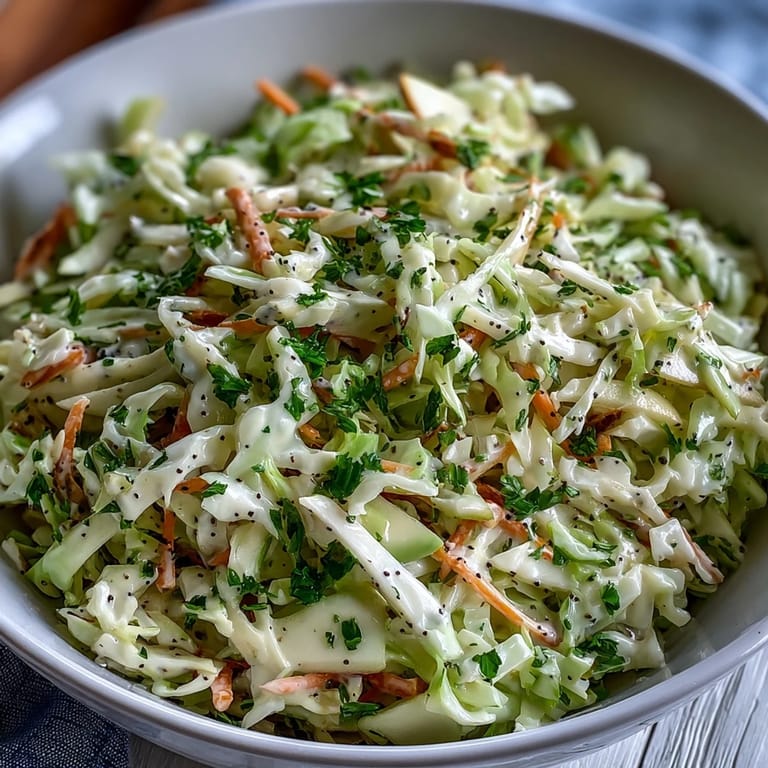
Save My daughter took a bite of this at a potluck last spring and announced to the entire table that it was her favorite thing there, even though her usual move is to avoid vegetables entirely. Watching her go back for seconds while the potato salad sat untouched made me realize that slaw isn't about being virtuous—it's about hitting a balance so perfect between sweet, tart, and crisp that your taste buds actually light up.
The Secret Behind the Crunch
The moment this slaw changed my cooking life was when I learned that cabbage holds its texture because of its natural wax coating and dense cell structure. When you dress it gently and don't over-manipulate it, those cells stay intact and keep their water content exactly where it needs to be. I used to make slaw hours ahead and serve it limp and sad, not understanding that timing matters—this isn't a dish that improves with sitting, it's a dish that demands respect for its peak moment.
Building the Perfect Dressing
The dressing is where most people stumble, usually because they treat it like a simple mix rather than an actual emulsion. Mayo and oil don't naturally want to play together, which is why the vinegar and mustard exist—they're the diplomats holding both sides stable. I've learned to whisk harder than feels necessary, watching the mixture transform from broken and separated into something glossy and cohesive, which signals that it's ready to hold the vegetables together.
When to Serve It and Why Timing Matters
This slaw occupies a fascinating middle ground where it's different depending on when you serve it, and both versions are worth knowing about. Right after dressing, you get maximum crunch and the dressing feels fresh and bright, while after 30 minutes of chilling, the cabbage releases water and becomes softer, and the flavors marry into something more unified.
- Serve it immediately if you want a side that crackles between your teeth and feels like summer in a bowl.
- Make it ahead and chill it if you're building a sandwich or plating something rich and heavy that needs a textural counterpoint.
- Taste it one more time before serving, because the dressing settles and sometimes needs a fresh pinch of salt or acid boost.
 Save
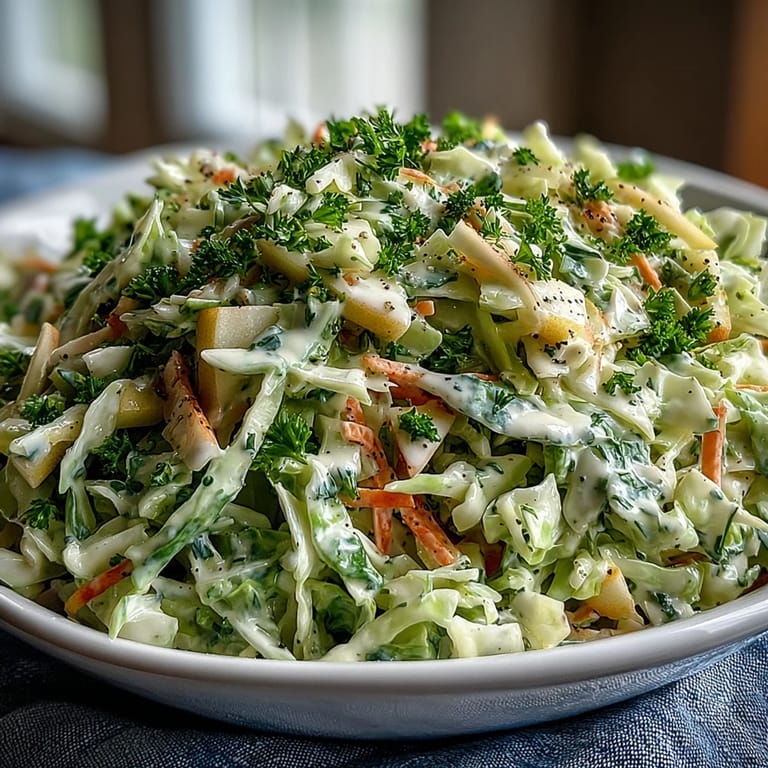
Save Make this slaw when you want something that tastes like you care but doesn't require you to actually labor over it. It's the kind of dish that disappears from the table and somehow makes people think you're a better cook than you actually are.
Recipe FAQs
- → How long does this slaw stay fresh?
The slaw stays fresh for up to 3 days when refrigerated in an airtight container. For the best crunch, serve within 24 hours, though the flavors meld beautifully after resting for 30 minutes.
- → Can I make this ahead of time?
Yes, you can prepare the vegetables and dressing separately up to a day in advance. Toss everything together just before serving to maintain the crisp texture.
- → What apples work best?
Tart apples like Granny Smith are ideal as they hold their texture and provide a nice contrast to the sweet dressing. Honeycrisp or Pink Lady also work well if you prefer a sweeter profile.
- → How do I make it vegan?
Substitute vegan mayonnaise and replace the honey with maple syrup or agave nectar. The flavor remains delicious while accommodating plant-based diets.
- → Can I add other vegetables?
Absolutely! Consider adding shredded Brussels sprouts, bell peppers, or fennel for extra crunch. Red cabbage creates a beautiful color variation when mixed with green cabbage.
- → What goes well with this slaw?
This slaw pairs perfectly with grilled chicken, pulled pork sandwiches, fish tacos, or burgers. It also complements vegetarian entrées and makes a excellent topping for fish tacos.