 Save
Save My grandmother's kitchen smelled like hot oil and cornmeal on Friday nights, and watching her fry catfish was pure theater. She'd hum while the fillets sizzled, their edges curling into the most satisfying golden brown, and somehow knew exactly when to pull them out without ever checking the temperature. Years later, I finally understood it wasn't magic—it was technique, timing, and a respect for the fish that made all the difference.
I made this for my partner last summer when we were both exhausted from moving boxes, and somehow the smell of frying catfish made everything feel like home in that moment. We sat on the kitchen counter with paper towels, eating straight from the skillet, and I realized this dish has a way of turning ordinary Tuesday nights into something worth remembering.
Ingredients
- Catfish fillets (4 fillets, about 6 oz each): Fresh catfish has a mild, sweet flavor that fries beautifully—ask your fishmonger for fillets that are similar in thickness so they cook evenly.
- Buttermilk (1 cup): The acid tenderizes the fish and creates a slightly tangy base; don't skip this step even if you think it seems unnecessary.
- Hot sauce (1 teaspoon for marinade, 2 teaspoons for sauce): Any Louisiana-style hot sauce works perfectly and adds complexity without overwhelming heat.
- Yellow cornmeal (1 cup): This is what creates that signature crunch, so use real cornmeal and not polenta or corn flour.
- All-purpose flour (1/2 cup): The flour helps the cornmeal adhere and creates structure in your crust.
- Paprika (1 teaspoon): Regular paprika gives color; don't confuse this with the smoked paprika that goes in the sauce.
- Garlic powder and onion powder (1 teaspoon each): These dried spices are soul food essentials that build layers of savory flavor.
- Cayenne pepper (1/2 teaspoon): Adjust this to your heat preference, but a little goes a long way in the coating.
- Salt and black pepper (1 teaspoon salt, 1/2 teaspoon pepper): Season generously because the cornmeal coating needs enough salt to shine.
- Vegetable oil (for frying): Use neutral oils like canola or vegetable oil that can handle high heat without smoking.
- Mayonnaise (1/2 cup) and Dijon mustard (2 tablespoons): The foundation of remoulade, providing creaminess and subtle sharpness.
- Prepared horseradish (1 tablespoon): This adds a surprising punch that separates good remoulade from unforgettable remoulade.
- Sweet pickle relish (2 teaspoons): A touch of sweetness and texture that catches people off guard in the best way.
- Fresh lemon juice (1 tablespoon) and minced garlic (1 small clove): Brightness and pungency that balance the richness of the mayo.
- Smoked paprika (2 teaspoons) and fresh parsley (1 tablespoon): These finish the sauce with warmth and a hint of elegance.
Tired of Takeout? 🥡
Get 10 meals you can make faster than delivery arrives. Seriously.
One email. No spam. Unsubscribe anytime.
Instructions
- Create Your Marinade Bath:
- Whisk buttermilk and hot sauce together in a shallow dish, then submerge your catfish fillets completely. Let them soak for at least 15 minutes while you prep everything else, though you can marinate them longer if you need to.
- Mix Your Coating Blend:
- Combine cornmeal, flour, paprika, garlic powder, onion powder, cayenne, salt, and black pepper in another shallow dish, stirring until the spices are evenly distributed throughout.
- Get Your Oil Ready:
- Pour about an inch of vegetable oil into a deep skillet or Dutch oven and heat it to 350°F (175°C). Use a thermometer because guessing leads to either raw insides or burnt outsides.
- Coat and Shake:
- Lift each fillet from the buttermilk, letting excess drip back into the dish, then place it in the cornmeal mixture and press gently so the coating adheres. Flip and coat the other side, making sure every edge is covered.
- Fry with Confidence:
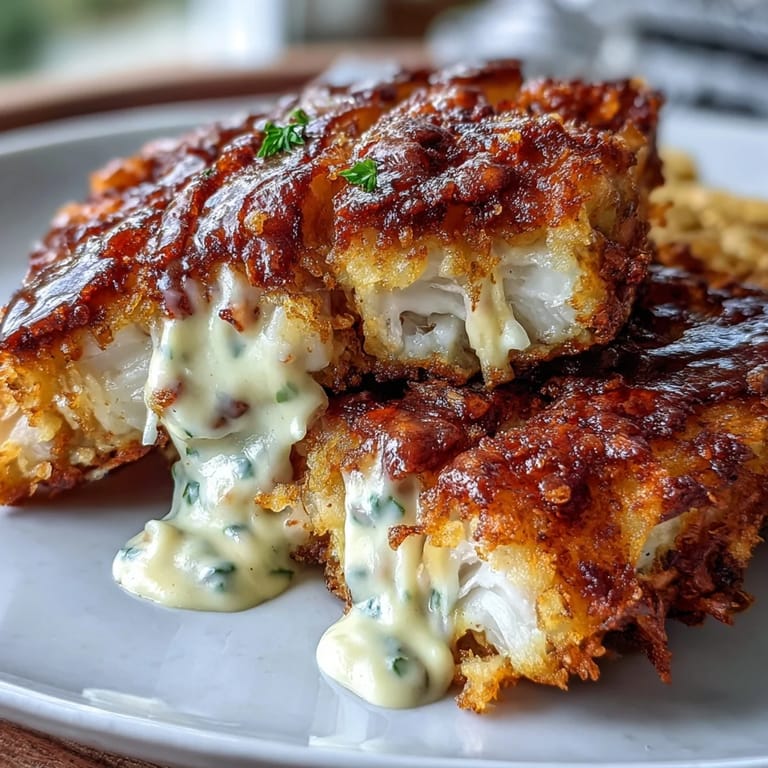
- Carefully place coated fillets into the hot oil in batches, avoiding overcrowding the pan. Fry for 3 to 4 minutes per side until the coating turns deep golden brown and the flesh inside is opaque and flaky.
- Drain and Rest:
- Transfer fried fillets to a paper towel-lined plate immediately after frying to shed excess oil while staying hot and crispy.
- Build Your Sauce:
- Whisk together mayonnaise, Dijon mustard, horseradish, hot sauce, pickle relish, lemon juice, minced garlic, and smoked paprika in a bowl. Stir in fresh parsley and taste for salt and pepper, adjusting until it sings.
- Bring It All Together:
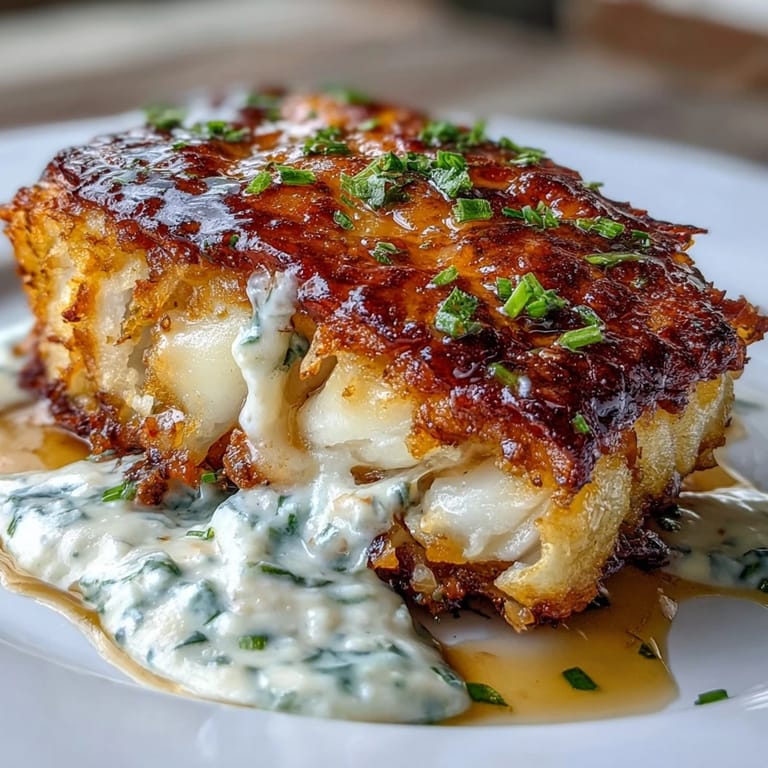
- Plate your golden catfish while it's still warm and serve the remoulade sauce alongside, letting everyone customize their ratio of fish to sauce.
 Save
Save Years ago, a friend mentioned she'd never had really good fried catfish, and I made it my personal mission to change that. When she took that first bite and just closed her eyes, I understood why my grandmother always fried fish with such care—it's not just dinner, it's a way of saying you matter enough to get the details right.
The Art of the Perfect Crust
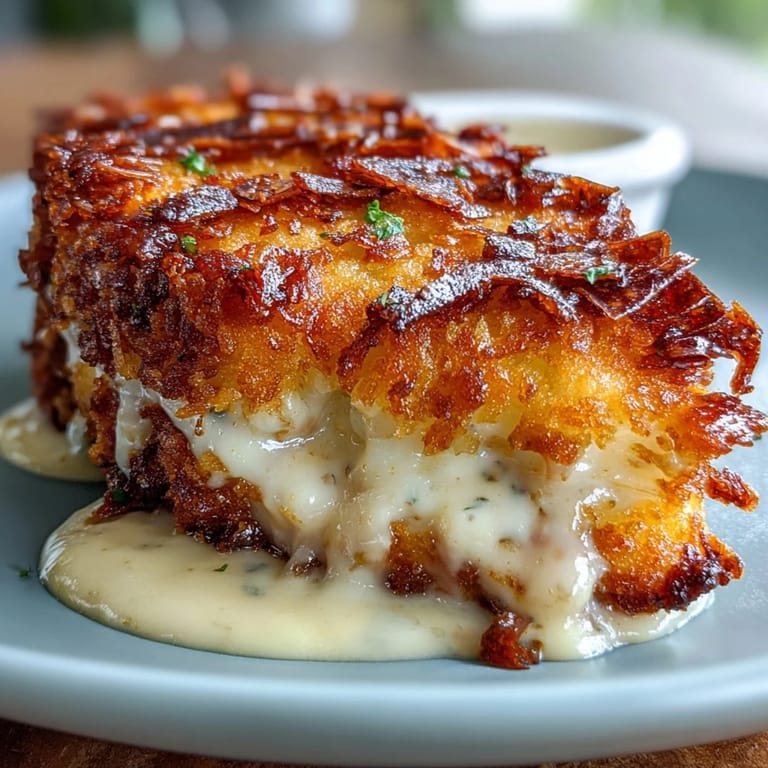
The cornmeal coating is what separates this from plain breaded fish, and the trick is understanding that cornmeal wants to get crispy, not soggy. I learned this the hard way by trying to skip the flour once, thinking it was unnecessary, and ended up with a coating that fell apart in the oil. The flour acts like glue, helping the cornmeal adhere and creating structure that can withstand the heat without shattering into loose bits.
Why Remoulade Changes Everything
Store-bought tartar sauce was my default for years until I realized homemade remoulade exists in an entirely different category. The horseradish brings a subtle heat that sneaks up on you, the pickle relish adds a sweetness that balances the savory fish, and the smoked paprika gives it a depth that makes people ask what your secret ingredient is. Once you make it yourself, you'll never go back.
Serving and Storage Wisdom
Fried catfish tastes best eaten immediately, while the crust is still crackling and the fish is steaming inside. Leftovers can be refrigerated for up to two days and reheated gently in a 275°F oven to restore some crispness, though they're honestly better repurposed into fish tacos or crumbled over salad than eaten plain. The remoulade sauce keeps for about a week in an airtight container and actually tastes better the next day once the flavors have mingled.
- Pair this with coleslaw for cooling contrast, hush puppies for extra richness, or creamy grits for Southern comfort.
- Cornbread, collard greens, or mac and cheese all make natural sidekick choices that honor the soul food tradition.
- Serve with lemon wedges on the side because a squeeze of fresh acid right before eating brightens everything on the plate.
 Save
Save This recipe carries the weight of tradition and the lightness of joy all at once. Make it for people you care about, and watch how something so simple becomes a memory they'll taste again in their minds for years to come.
Recipe FAQs
- → What seasoning blend is used for the catfish coating?
A mix of yellow cornmeal, flour, paprika, garlic powder, onion powder, cayenne pepper, salt, and black pepper creates a flavorful and crispy coating.
- → How is the remoulade sauce prepared?
The sauce combines mayonnaise, Dijon mustard, horseradish, hot sauce, sweet pickle relish, lemon juice, garlic, smoked paprika, and fresh parsley for a tangy, smoky flavor.
- → What’s the best way to fry the catfish for optimal crispiness?
Heat vegetable oil to 350°F and fry catfish fillets for 3–4 minutes per side until golden and cooked through, draining on paper towels afterward.
- → Can other fish be used instead of catfish?
Yes, tilapia or cod are suitable substitutes and work well with the same seasoning and frying method.
- → How can I add extra crunch to the fried fillets?
Double-dip the fillets by returning them to the buttermilk and dredging again in the cornmeal mixture before frying.