 Save
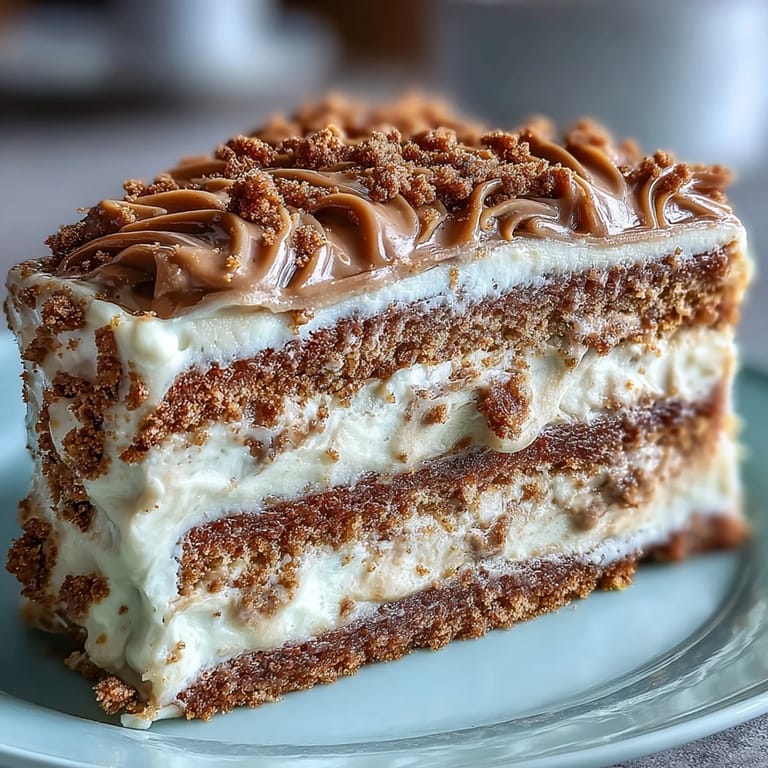
Save My neighbor tapped on the kitchen window holding a tin of Biscoff biscuits she'd bought by mistake, thinking they were digestives. I took them, not knowing what I'd do with an entire sleeve of spiced cookies. That afternoon, I crumbled a few into cake batter on a whim, swirled in some Lotus spread I'd been hoarding, and pulled out the most fragrant, caramel-scented sponge I'd ever baked. The house smelled like a European café for hours.
I made this for a friend's birthday tea, and she thought I'd ordered it from a bakery. When I told her it was homemade, she asked if I'd used a secret family recipe. I laughed and admitted it started with a neighbor's biscuit mistake. Sometimes the best recipes come from happy accidents and a willingness to fold random ingredients into cake batter.
Ingredients
- Biscoff biscuits, crushed: These spiced cookies are the heart of the cake, adding caramelized crunch and warm cinnamon notes that make every bite feel cozy.
- All-purpose flour: Provides structure without making the cake heavy, and sifting it with the leaveners ensures an even, tender crumb.
- Baking powder and baking soda: Together they give the cake a gentle rise and a soft, airy texture that balances the richness of the Lotus spread.
- Unsalted butter, softened: Creaming it with sugar creates tiny air pockets that make the sponge light, and using unsalted lets you control the salt level.
- Granulated sugar: Sweetens the cake while helping the butter whip up fluffy and pale, which is key to a tender crumb.
- Large eggs: Add moisture, richness, and structure, and adding them one at a time prevents the batter from splitting.
- Vanilla extract: A subtle floral backdrop that lets the Biscoff spice shine without competing.
- Whole milk: Keeps the batter smooth and adds a slight creaminess that makes the cake moist without being dense.
- Lotus spread (Biscoff spread): Swirled into the batter, it melts into ribbons of caramel flavor that taste like liquid cookies.
- Powdered sugar: Dissolves instantly into the frosting, creating a smooth, pipeable texture with no gritty sugar crystals.
- Heavy cream or milk: Loosens the frosting just enough to spread easily, and a splash more can rescue a batch that's too thick.
- Pinch of salt: Balances the sweetness in the frosting and makes the caramel notes in the Lotus spread pop.
Tired of Takeout? 🥡
Get 10 meals you can make faster than delivery arrives. Seriously.
One email. No spam. Unsubscribe anytime.
Instructions
- Prep the Pan and Oven:
- Preheat your oven to 180°C (350°F) and grease a 9-inch round pan, then dust it with flour or line the bottom with parchment. This ensures the cake releases cleanly without sticking to the sides.
- Sift the Dry Ingredients:
- Whisk together the flour, baking powder, baking soda, and salt in a bowl, breaking up any lumps. Sifting aerates the flour and distributes the leaveners evenly so you don't get pockets of raw powder.
- Cream the Butter and Sugar:
- Beat the softened butter and granulated sugar on medium speed for 3 to 5 minutes until the mixture is pale, fluffy, and almost doubled in volume. This step traps air and gives the cake its light texture.
- Add the Eggs and Vanilla:
- Crack in one egg at a time, beating well after each addition, then stir in the vanilla extract. Adding eggs slowly prevents the batter from curdling and keeps the emulsion smooth.
- Alternate Dry and Wet:
- Add the flour mixture in three parts, alternating with the milk, starting and ending with flour. Mix just until you see no streaks of flour, as overmixing develops gluten and makes the cake tough.
- Fold in Biscoff and Lotus Spread:
- Gently fold the crushed biscuits and Lotus spread into the batter with a rubber spatula, swirling just enough to distribute without fully mixing in. You want ribbons of caramel and pockets of crunch, not a uniform color.
- Bake the Cake:
- Pour the batter into your prepared pan, smooth the top, and bake for 35 to 40 minutes, until a toothpick comes out clean. The top should be golden and spring back lightly when touched.
- Cool Completely:
- Let the cake sit in the pan for 10 minutes to firm up, then turn it out onto a wire rack to cool fully. Frosting a warm cake will melt the buttercream and turn it into a slippery mess.
- Make the Lotus Frosting:
- Beat the softened butter until creamy, then gradually add the powdered sugar on low speed to avoid a sugar cloud. Beat in the Lotus spread, cream, and salt, then whip on medium-high for 3 minutes until fluffy and pale.
- Frost and Decorate:
- Spread the frosting over the cooled cake with an offset spatula, creating swirls or smoothing it flat. Sprinkle crushed Biscoff on top or drizzle extra Lotus spread for a bakery-style finish.
 Save
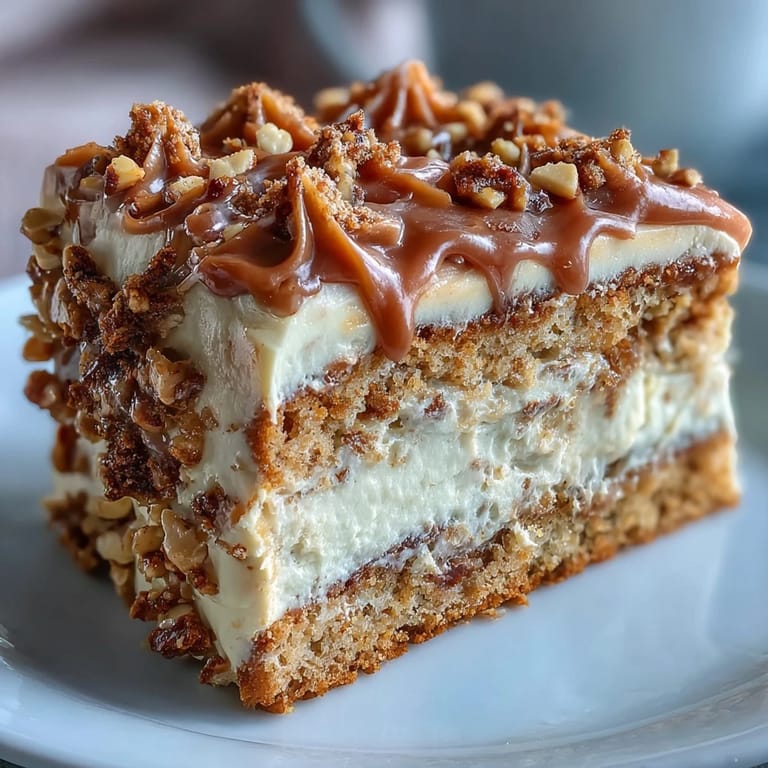
Save The first time I sliced into this cake at a family dinner, my cousin scraped the frosting off her slice and ate it straight with a spoon, then went back for a second piece. My aunt asked for the recipe on a napkin before dessert plates were even cleared. That's when I knew I'd made something that felt special, not just sweet.
Storing and Serving
This cake keeps beautifully in an airtight container at room temperature for up to three days, though the Biscoff pieces soften slightly as they absorb moisture from the sponge. If you want to keep the frosting firm, refrigerate the cake and bring it to room temperature 30 minutes before serving. I've served it at afternoon tea with strong coffee, at birthday parties with candles, and once as a quiet weeknight treat with nothing but a fork and good company.
Swaps and Add-Ins
If you can't find Lotus spread, any smooth cookie butter or even almond butter mixed with a bit of brown sugar will work in a pinch. For extra texture, fold in chocolate chips, chopped toasted hazelnuts, or even a handful of toffee bits before baking. I've tried it with a layer of raspberry jam between the sponge and frosting, and the tartness cut through the caramel richness in the best way. You can also bake this in two 8-inch pans and stack them for a layered celebration cake.
Final Tips for Success
Make sure your oven temperature is accurate, as baking this cake too hot will cause the edges to set before the center cooks, leaving you with a domed, cracked top. Use a light-colored metal pan instead of dark nonstick, which can overbrown the bottom before the inside is done. If the frosting feels too sweet, add an extra pinch of salt or a teaspoon of lemon juice to balance the richness.
- Crush the Biscoff biscuits into varied sizes so you get both fine crumbs and chunky pieces for texture contrast.
- Let the frosting sit at room temperature for 10 minutes before spreading if it's been chilled, so it softens and becomes easier to work with.
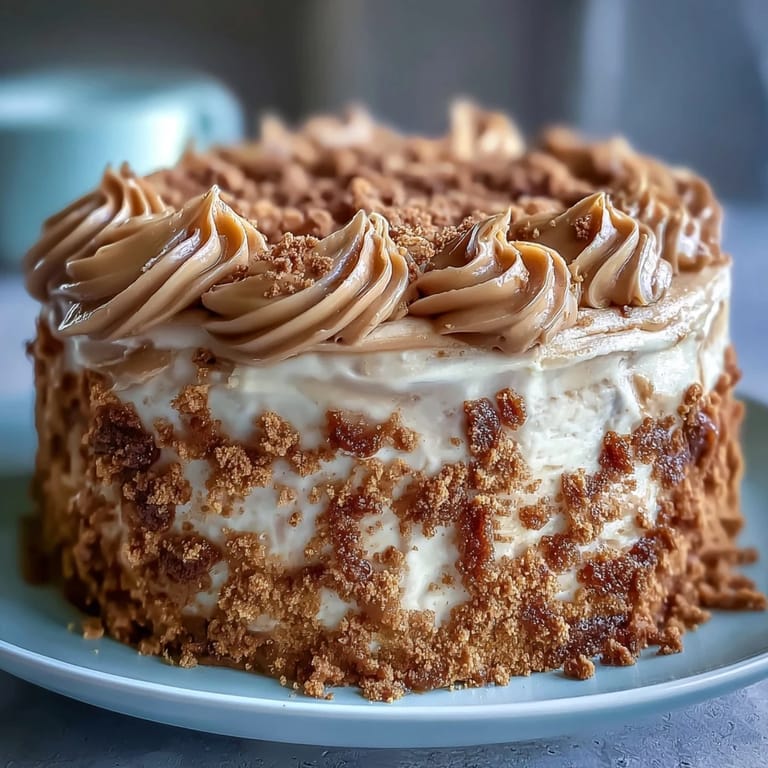
- If you want a professional finish, use a bench scraper to smooth the sides and a piping bag fitted with a star tip for rosettes on top.
 Save
Save This cake has become my go-to whenever I want to feel like I've made something impressive without spending all day in the kitchen. It's the kind of dessert that makes people lean in for a second bite and ask quiet questions about how you got the frosting so smooth.
Recipe FAQs
- → What does Biscoff taste like?
Biscoff brings a unique caramelized flavor profile with warm spices like cinnamon and nutmeg. The spread has a deep, almost toasted sugar sweetness with hints of gingerbread cookie. It's less sweet than traditional frosting but rich with nutty, buttery notes that pair beautifully with vanilla sponge.
- → Can I make this ahead of time?
Absolutely. The cake layers can be baked up to two days in advance, wrapped tightly, and stored at room temperature. The frosting also keeps well refrigerated for several days. For best results, frost the same day as serving, though fully assembled leftovers stay fresh in an airtight container for three days.
- → What's the best way to crush the biscuits?
Place the biscuits in a zip-top bag and crush with a rolling pin for coarse pieces, or pulse briefly in a food processor for finer crumbs. You'll want a mix of sizes—some almost powdery for flavor distribution, others pea-sized for visible crunch in the finished bake.
- → Can I substitute Lotus spread?
While Lotus Biscoff spread offers that distinct spiced caramel flavor, other cookie butters like speculoos or even a peanut butter with added cinnamon and brown sugar can work. The texture and sweetness profile will shift slightly, but you'll still get a creamy, nutty frosting.
- → Why did my cake turn out dense?
Overmixing the batter once flour is added develops too much gluten, leading to a tighter crumb. Also, ensure ingredients are at room temperature before starting—cold butter won't cream properly with sugar, affecting aeration. Finally, check your oven temperature with an independent thermometer.