 Save
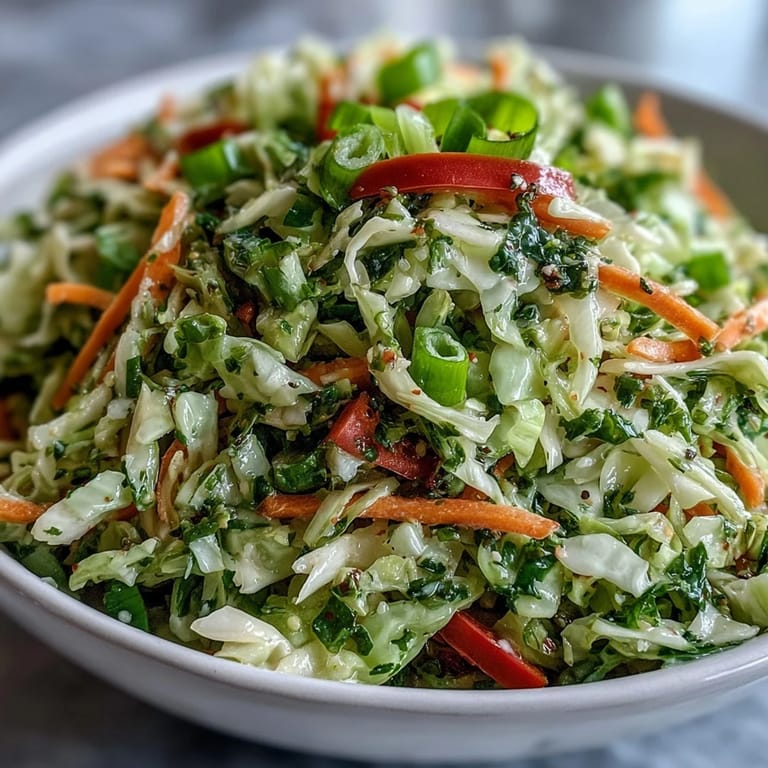
Save My neighbor showed up at a potluck with this slaw years ago, and I watched people go back for thirds—something that rarely happened with side dishes. She mentioned it casually, like it was nothing special, just sauerkraut and vegetables tossed together. But the combination of tangy fermented cabbage with the brightness of fresh ginger and apple cider vinegar hit differently than anything I'd made before. I started making it the next week, and honestly, it became my secret weapon for feeding people who actually care about what they eat.
I made this for a dinner where someone brought store-bought coleslaw, and the contrast was immediate—mine had this alive, puckering quality that made people pause mid-bite. There's something almost defiant about serving fermented vegetables at a casual meal, like you're gently reminding everyone that food doesn't have to be complicated to be worth eating. That night, someone asked for the recipe, and I realized I'd stumbled onto something that felt both nourishing and genuinely fun.
Ingredients
- Sauerkraut, drained and lightly squeezed (1½ cups): This is your foundation—the fermentation does all the heavy lifting for flavor and your digestive system. Don't skip the draining step or your slaw will turn into a puddle, but don't squeeze it completely dry either; a little brine adds depth.
- Green cabbage, finely shredded (1 cup): The fresh cabbage keeps everything from tasting too vinegary and adds a crisp sweetness that balances the sauerkraut's boldness.
- Carrot, grated (1 medium): This brings natural sweetness and a subtle earthiness that rounds out the sharp notes.
- Red bell pepper, thinly sliced (½): Adds color, crunch, and a gentle sweetness that makes people notice the dish on the plate.
- Green onions, thinly sliced (2): A whisper of onion flavor without the raw bite that can overwhelm; slice them thin so they disappear into the mix gracefully.
- Fresh parsley, chopped (2 tablespoons): Don't treat this as garnish—it brightens everything and adds a fresh herbaceous note that ties the whole thing together.
- Extra-virgin olive oil (2 tablespoons): Use something you'd actually taste on its own; it's one of only a few ingredients, so it matters.
- Apple cider vinegar (1 tablespoon): This complements the sauerkraut's existing funk rather than fighting it; it's not about adding more acid but harmonizing what's already there.
- Dijon mustard (1 teaspoon): A small amount brings mustard's characteristic tang without making the slaw taste like a condiment.
- Maple syrup or honey (½ teaspoon): Just enough sweetness to prevent the whole thing from tasting harsh; you shouldn't taste it directly, only its effect.
- Ground black pepper and salt: Taste as you go; salt especially can vary depending on how salty your sauerkraut already is.
Tired of Takeout? 🥡
Get 10 meals you can make faster than delivery arrives. Seriously.
One email. No spam. Unsubscribe anytime.
Instructions
- Gather and prep your vegetables:
- Get all your vegetables ready before you do anything else—shredding and slicing while hungry leads to shortcuts. Drain the sauerkraut gently over a small bowl, squeezing just enough to remove excess liquid without compressing all the flavor out.
- Build the base in a large bowl:
- Combine sauerkraut, green cabbage, carrot, red bell pepper, green onions, and parsley in a large bowl, mixing gently as you go. This isn't a rough toss; you're getting to know all the components before the dressing hits.
- Whisk the dressing until it's smooth:
- In a small bowl, whisk together olive oil, apple cider vinegar, Dijon mustard, maple syrup, black pepper, and a pinch of salt until the mustard dissolves and everything looks unified. The dressing should smell bright and tangy, not harsh.
- Dress and toss everything together:
- Pour the dressing over the vegetable mixture and toss gently but thoroughly, making sure the dressing reaches every piece. Take your time here—you want everything kissed by the vinaigrette, not pooled at the bottom.
- Taste and adjust before resting:
- This is your moment to fix anything that needs fixing; add more salt if it tastes flat, or a touch more vinegar if it needs brightness. Let the slaw sit for 10 minutes before serving so the flavors meld and everything softens slightly.
 Save
Save There was a moment at a family dinner when my usually quiet uncle kept going back for more of this slaw, piling it onto his plate alongside everything else. He mentioned later that it was helping his digestion, which made me realize this dish had quietly become something more useful than just tasty—it was actually nourishing people in a way they could feel. That's when I stopped thinking of it as just a side dish and started thinking of it as a small act of care.
When to Serve This Slaw
This slaw works brilliantly alongside anything smoky or rich—grilled sausages, roasted fish, pulled pork, or even just a good sharp cheese on rye bread. The brightness cuts through heavy foods like a palate cleanser, making everything taste more alive. It's equally at home at a casual weeknight dinner or alongside proper cold cuts at a smorgasbord, which means it quietly works as a bridge between fancy and everyday eating.
How to Make It Your Own
This recipe is a skeleton, not a rule book, so don't be afraid to adjust it based on what's in your crisper drawer or what you're craving. I've added thinly sliced radishes when they were on sale, and the peppery crunch changed everything in the best way. Fennel fans should absolutely slice some thinly and toss it in, and toasted sunflower seeds scattered on top right before serving add a texture that makes people stop and ask what that crunch is.
Storage and Keeping
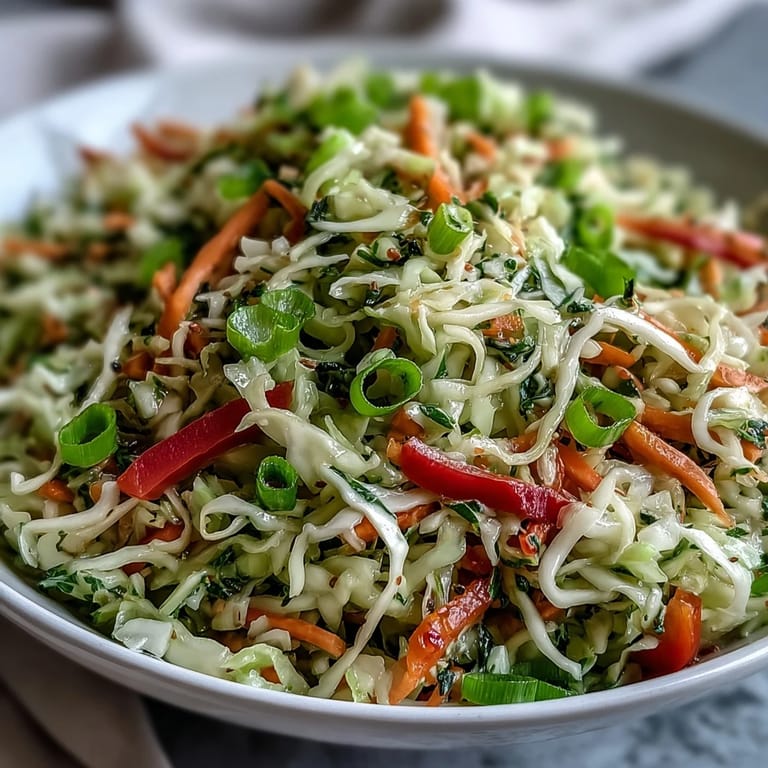
This slaw keeps beautifully in the fridge for three or four days, which means you can make it on Sunday and eat it throughout the week without any fuss. The flavors actually deepen as it sits, so day two is often better than day one. Just store it in an airtight container and give it a little stir before serving—nothing separates, nothing goes weird, it just gets better.
- Make a big batch when you're meal prepping and you'll have a ready-to-go side that actually makes people happy.
- If the slaw seems to have lost its crunch by day three, add a handful of fresh shredded cabbage right before eating and you've essentially reset it.
- Don't freeze this—the whole point is the texture, and freezing will betray that completely.
 Save
Save This slaw has become the thing people ask about when they're trying to eat better without sacrificing flavor. It's proof that healthy food doesn't have to taste like punishment, which feels increasingly important to remember.
Recipe FAQs
- → What makes sauerkraut slaw different from regular coleslaw?
Sauerkraut slaw uses fermented cabbage which provides beneficial probiotics and a tangy flavor profile, while traditional coleslaw uses raw cabbage. The fermentation process also adds depth of flavor and natural preservation qualities.
- → How long can I store this slaw in the refrigerator?
This slaw keeps well for 3-5 days when stored in an airtight container in the refrigerator. The vegetables may soften slightly over time, but the flavors will continue to develop and meld together.
- → Can I make this dish fully fermented?
Yes, you can skip the fresh cabbage entirely and use 100% sauerkraut for maximum probiotic benefits. You can also ferment the fresh cabbage mixture for 1-2 days before adding the dressing for an extra fermented version.
- → What main dishes pair well with sauerkraut slaw?
This slaw pairs excellently with grilled German sausages, bratwurst, fish, roasted pork, or chicken. It also works beautifully as a topping for sandwiches, burgers, or alongside hearty grain bowls.
- → Is the maple syrup necessary in the dressing?
The maple syrup or honey helps balance the tanginess from the sauerkraut and vinegar. You can substitute with a pinch of sugar, agave nectar, or omit sweetener entirely if you prefer a sharper flavor profile.