 Save
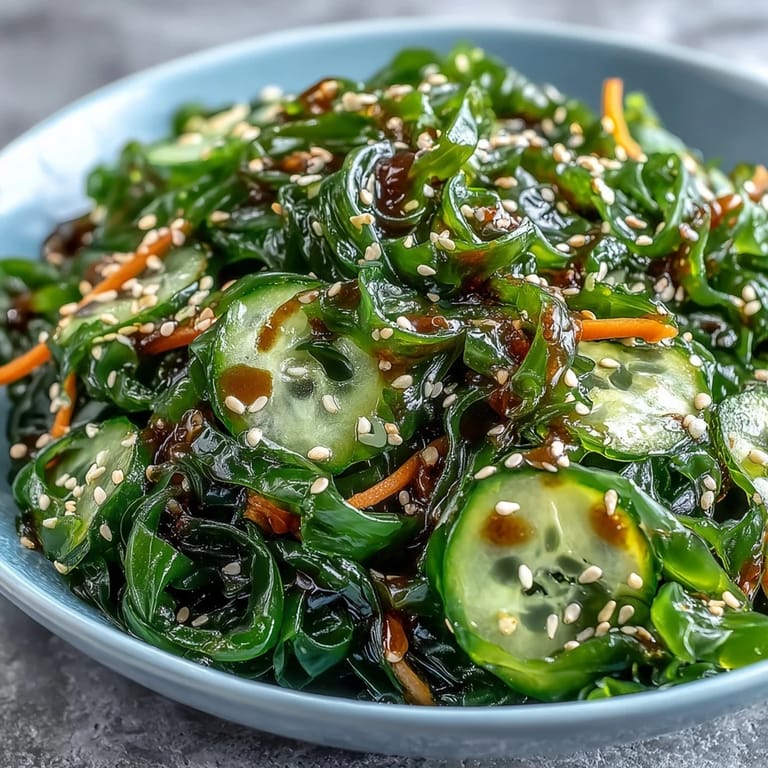
Save I discovered seaweed salad by accident at a tiny sushi counter tucked behind a laundromat, where the chef was casually assembling bowls during the afternoon lull. The way the dark ribbons glistened with sesame oil and caught the light made me pause—it looked alive, almost iridescent. When I finally tasted it, the briny ocean flavor mixed with warm ginger and toasted sesame felt like a secret that had been hiding in plain sight. Now I make it constantly, not just because it's quick, but because it reminds me that the simplest dishes often contain the most honest flavors.
I made this for a potluck once, nervous that seaweed salad might seem too adventurous for the crowd, but it vanished within minutes. An older woman asked for the recipe, mentioning she'd eaten something similar on a trip to Tokyo thirty years ago and thought she'd never find it again. That moment made me realize food carries memory, and sometimes sharing it gives someone back a piece of their own story.
Ingredients
- Dried wakame seaweed: This is the delicate, tender variety that rehydrates beautifully—not the thick kelp strips you might see in miso soup. I learned the hard way that quality matters; cheaper seaweed can taste gritty or overly salty.
- Toasted sesame oil: The dark, aromatic kind is non-negotiable here, as it carries almost all the flavor depth. A little goes a long way, and untoasted sesame oil will taste thin by comparison.
- Rice vinegar: Its gentle acidity brightens everything without overpowering, balancing the richness of the sesame oil perfectly.
- Fresh ginger: The raw heat cuts through the earthiness of the seaweed and keeps the salad from feeling too heavy or oceanic.
- Cucumber and carrot: These provide the refreshing crunch that prevents the salad from becoming mushy, plus their sweetness plays beautifully against the salty-savory dressing.
- Soy sauce or tamari: Use tamari if you need it gluten-free; the umami they add is the backbone that ties every flavor together.
- Maple syrup or honey: This small touch of sweetness rounds out the acidity and prevents the dressing from tasting too sharp or one-dimensional.
- Sesame seeds: Toasted seeds scattered throughout and on top add a nuttiness that feels almost luxurious for such a simple ingredient.
Tired of Takeout? 🥡
Get 10 meals you can make faster than delivery arrives. Seriously.
One email. No spam. Unsubscribe anytime.
Instructions
- Rehydrate the seaweed gently:
- Cover the dried wakame with cold water and let it sit for seven to ten minutes until it's soft and pliable. Drain it well, then squeeze it between your palms to remove excess water—this is crucial, as too much moisture will dilute your dressing.
- Combine the vegetables:
- Toss the rehydrated seaweed with your thinly sliced cucumber, julienned carrot, and scallions in a large bowl, making sure everything is evenly distributed.
- Build the dressing:
- In a separate small bowl, whisk together the sesame oil, rice vinegar, soy sauce, grated ginger, sweetener, and sesame seeds until emulsified and glossy. Taste it at this stage—you'll know immediately if it needs more ginger bite or acidity.
- Marry the flavors:
- Pour the dressing over the salad and toss gently with your hands or a pair of salad tongs, making sure every strand of seaweed gets coated. Avoid vigorous mixing, which can break down the delicate texture.
- Finish and serve:
- Transfer to a serving bowl and scatter the final sesame seeds and fresh cilantro on top, then eat immediately or chill for up to thirty minutes. Chilling actually deepens the flavors as everything melds together.
 Save
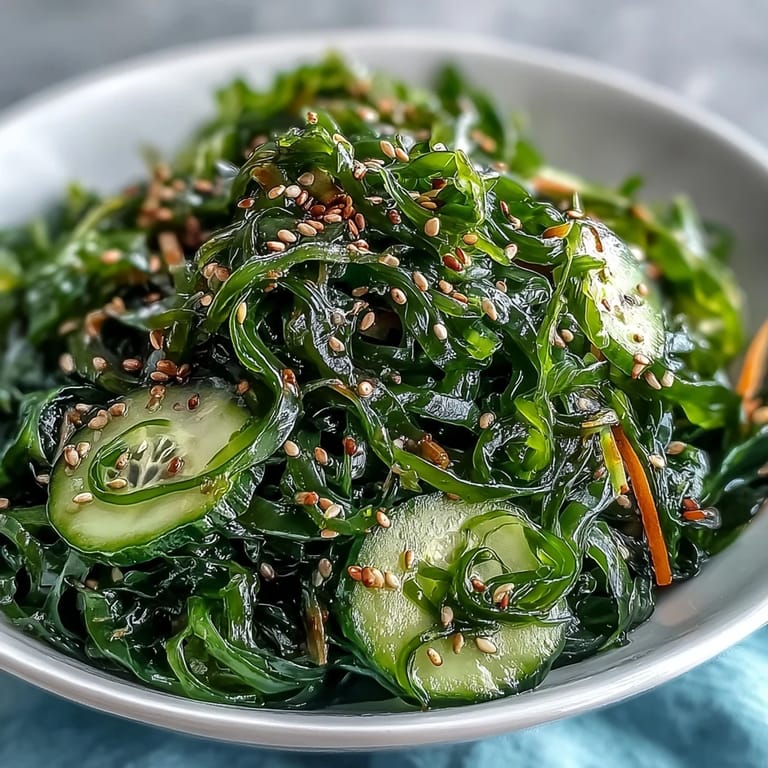
Save This salad has become my go-to dish when I'm cooking for someone new, because it tells a story without needing explanation—the colors, the aromas, the way it tastes nothing like what people expect. I watched my skeptical friend take the first bite and watched her expression shift from cautious to genuinely delighted, and that's when I knew the recipe had done its job.
Flavor Building and Balance
The beauty of this salad lies in how each ingredient plays a specific role in the taste experience. The sesame oil provides richness and warmth, the vinegar brings brightness and prevents everything from tasting flat, and the ginger adds a clean, sharp note that wakes up your palate. When you taste it, you're not tasting five ingredients competing for attention—you're tasting a conversation between them, which is why a single bite feels so complete.
Texture and the Importance of Crunch
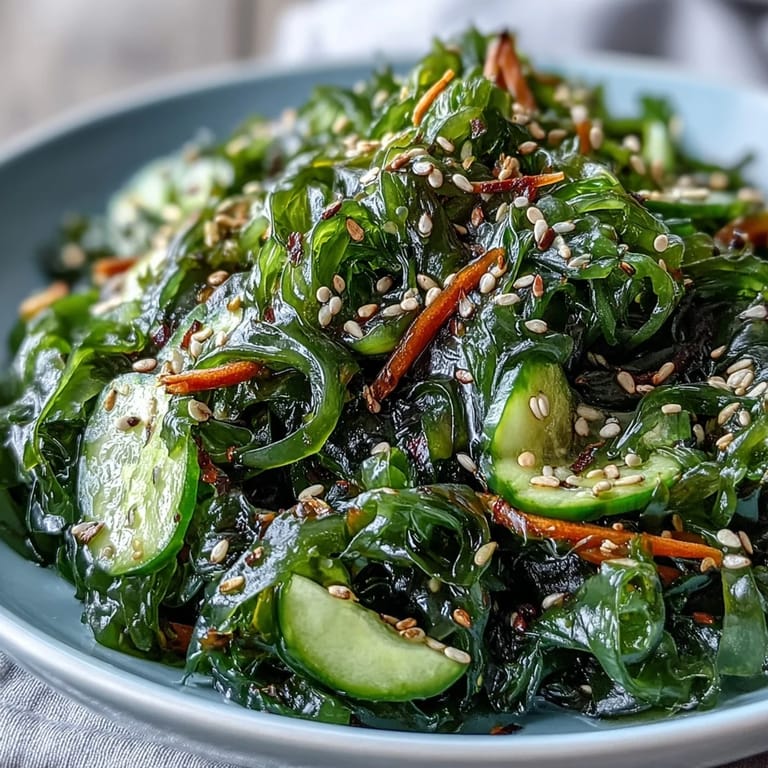
One evening, I made the salad without the cucumber and carrot because I was in a rush, and the result was disappointingly one-dimensional. The seaweed alone, no matter how well-dressed, lacks the contrast that makes your mouth want to keep eating. The crisp vegetables aren't just there for nutrition—they're structural elements that make the dish feel lively and intentional, preventing it from collapsing into something gelatinous.
Storage and Variations
Leftovers keep beautifully in an airtight container for up to two days, though the vegetables will gradually soften and the sesame seeds lose some crunch. I've learned to store the dressing separately if I'm planning to keep it longer, adding fresh vegetables and re-dressing just before serving. The salad adapts well to what's in your kitchen—thinly sliced radish adds a peppery bite, shredded red cabbage brings earthiness and color, and sometimes I add a handful of shredded daikon for extra snap.
- Add thinly sliced radish or red cabbage for increased crunch and a subtle peppery or earthy note.
- If you have nori sheets, crumble them over the top just before serving for a smoky dimension.
- A sprinkle of toasted sesame seeds right before eating preserves their nutty crunch better than mixing them in early.
 Save
Save This seaweed salad reminds me that cooking doesn't always mean creating something elaborate. Sometimes the best meals are simple, honest, and deeply satisfying—the kind that leave you wanting another bite long after the bowl is empty.
Recipe FAQs
- → What type of seaweed works best for this dish?
Dried wakame seaweed is ideal because it rehydrates quickly to a tender texture and has a mild, slightly sweet flavor that pairs beautifully with sesame-ginger dressing.
- → How long should I soak the dried seaweed?
Soak wakame in cold water for 7-10 minutes until fully rehydrated and tender. Drain well and gently squeeze out excess water before tossing with vegetables.
- → Can I make this salad ahead of time?
Yes, the flavors actually improve after chilling for 15-30 minutes. The salad stores well in an airtight container for up to 2 days, though the vegetables may soften slightly.
- → Is this dish gluten-free?
Use tamari instead of regular soy sauce to make this completely gluten-free. Always check packaged seaweed labels for possible cross-contamination if avoiding gluten.
- → What can I add for extra crunch and flavor?
Thinly sliced radish, shredded red cabbage, or toasted nuts work well. Extra sesame seeds, fresh cilantro, or parsley make excellent finishing touches before serving.
- → How do I adjust the dressing balance?
Taste the dressing before tossing and add more maple syrup for sweetness, rice vinegar for acidity, or chili flakes for heat. The flavors should be bright and tangy.